
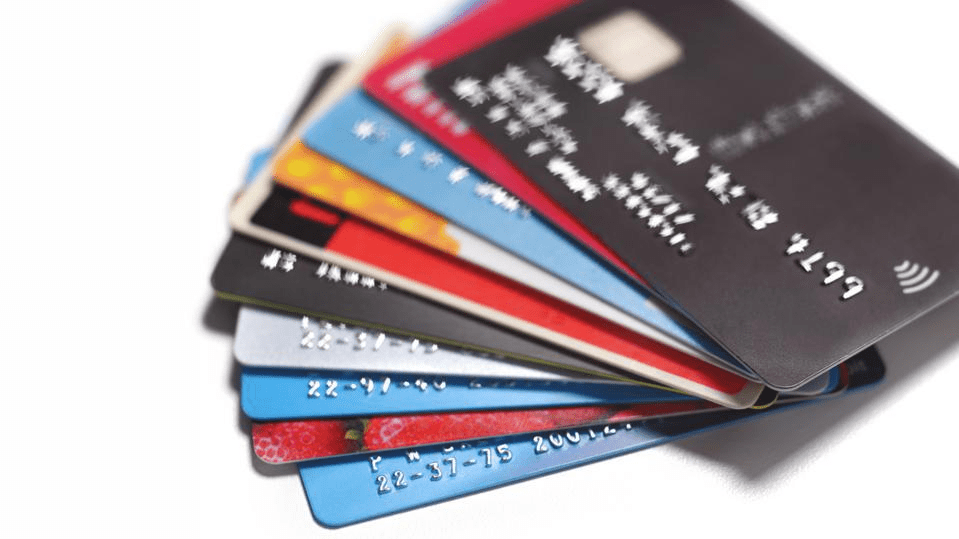
Understanding credit cards and the associated responsibilities may not be part of the traditional high school or college curriculum, but it’s an essential life skill that young adults need to master. Establishing a healthy credit history is a significant step towards financial freedom and independence, as it’s often a critical factor when you need to take out loans for larger purchases later in life.
A credit card can be a double-edged sword. If used wisely, it can help you build an excellent credit history, making it easier to qualify for loans or mortgages with lower interest rates in the future. However, if mismanaged, it can lead to a cycle of debt that can be difficult to escape.
So, where do we start? The first step is understanding the basics of a credit card and its features, including Annual Percentage Rate (APR). The APR is the annual interest rate that you’re charged for borrowing money through your credit card. The lower the APR, the less interest you’ll have to pay.
High schoolers and college students should seek credit cards with low APRs and no annual fees. Many companies offer student credit cards designed specifically for those starting their credit journey. However, it’s crucial to remember that even cards with low APRs can lead to substantial debt if not managed properly.
Once you’ve got a credit card, it’s time to use it responsibly. That means only using it for purchases you can afford to pay off in full when your bill comes. It’s tempting to see your credit limit as extra cash, but it’s essential to remember that credit card debt comes with high-interest costs.
On-time payment is crucial. Making your credit card payments on time is the most significant factor that contributes to your credit score. Late payments can negatively impact your score, making it harder for you to get approved for loans in the future.
Keeping your credit utilization ratio low is also important. This ratio is the amount you owe on your credit cards compared to your total credit limit. A lower ratio is better for your credit score. Aim to keep this ratio under 30% to maintain a healthy credit profile.
Credit cards also offer a variety of rewards programs, such as cash back, travel rewards, and more. While these perks are tempting, they should not encourage overspending. The goal is to build good credit, not accumulate debt chasing rewards.
In conclusion, a credit card is a valuable tool in managing your finances and building your credit history. However, it requires discipline and a clear understanding of the terms and conditions. The habits you form in your early years with credit cards will pave the way for a more secure financial future. After all, financial literacy is not merely about making money; it’s also about wisely managing the money you have.
Check out our post on the Best Credit Cards for College Students.
 Financial Freedom 101
Leave a comment